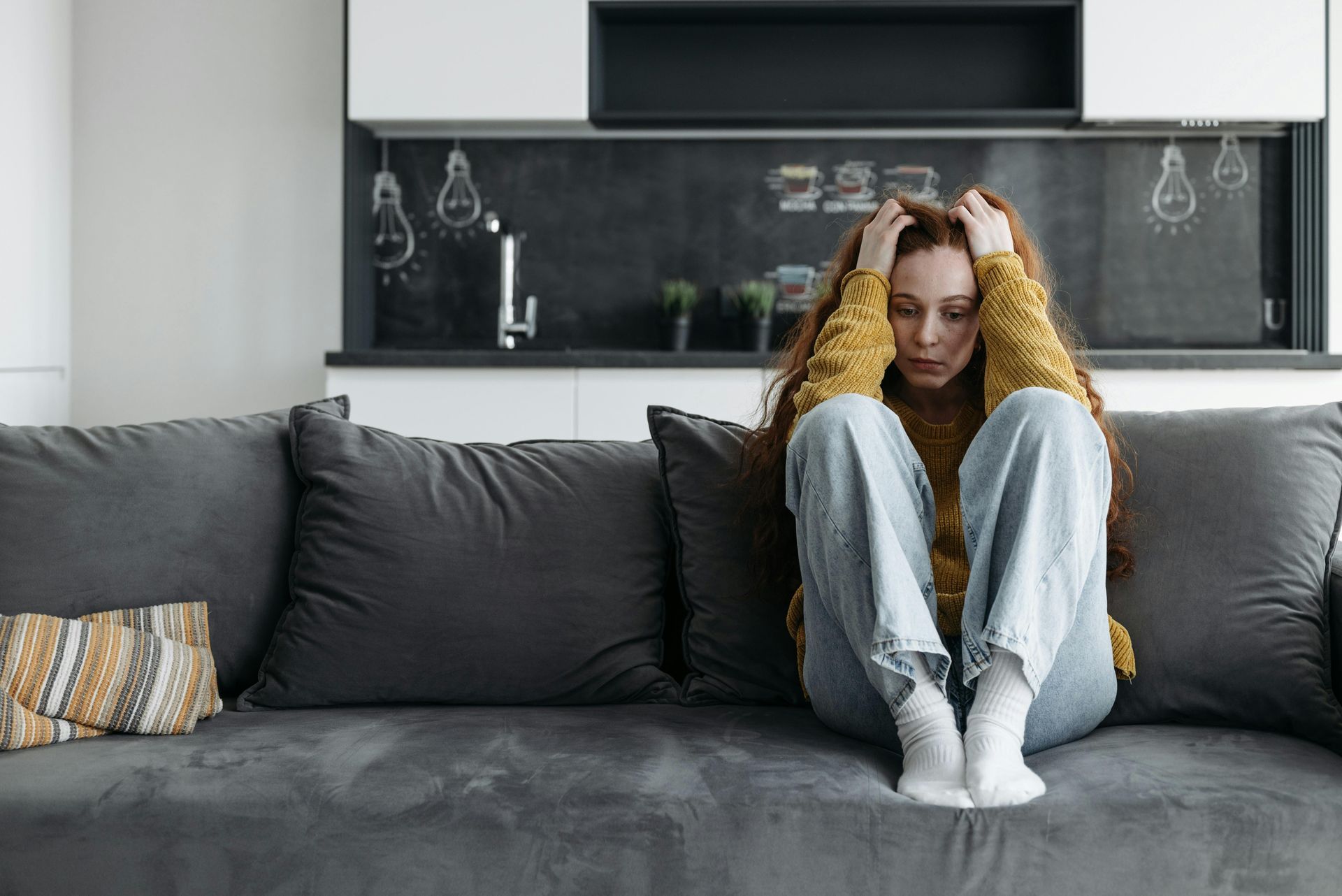
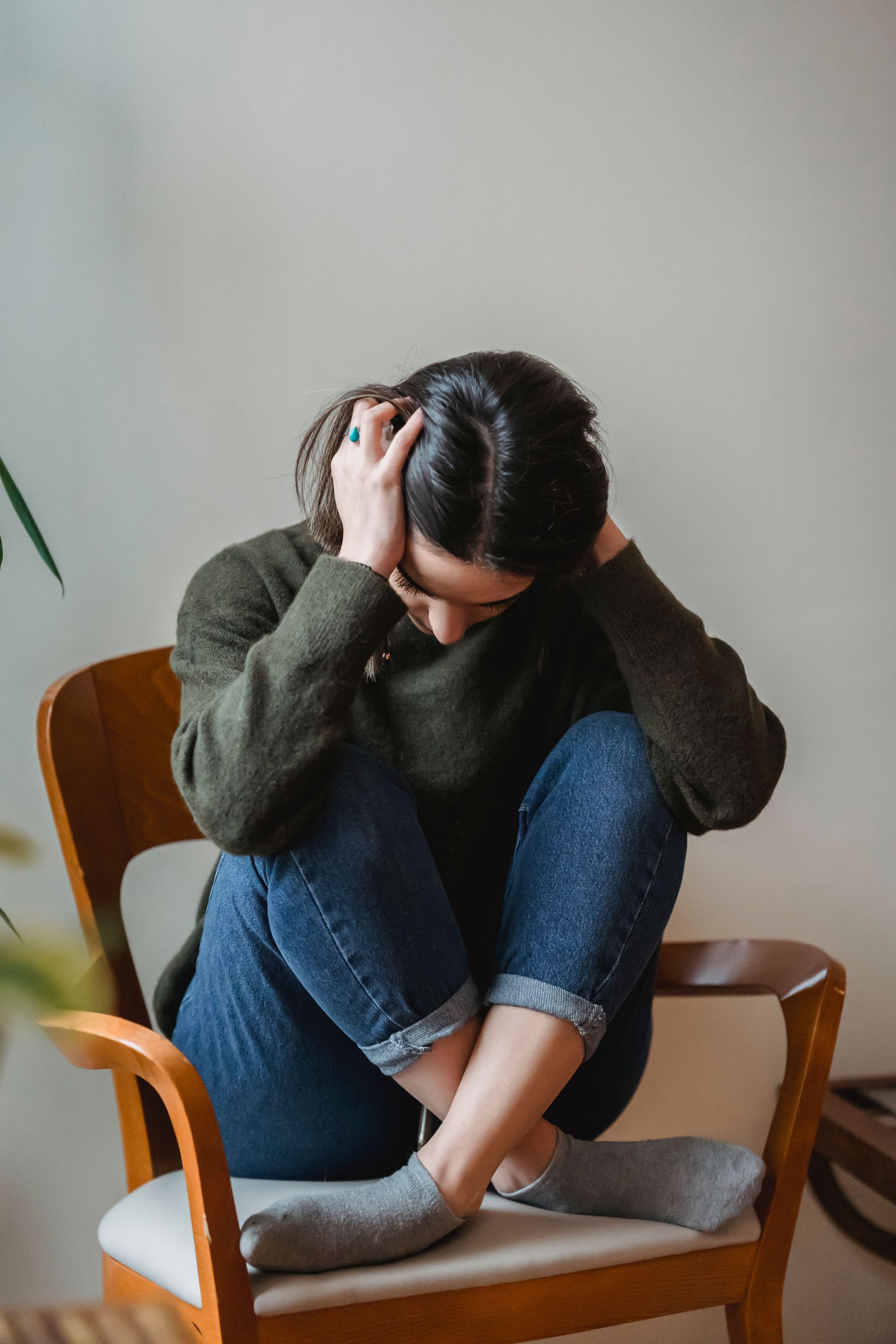
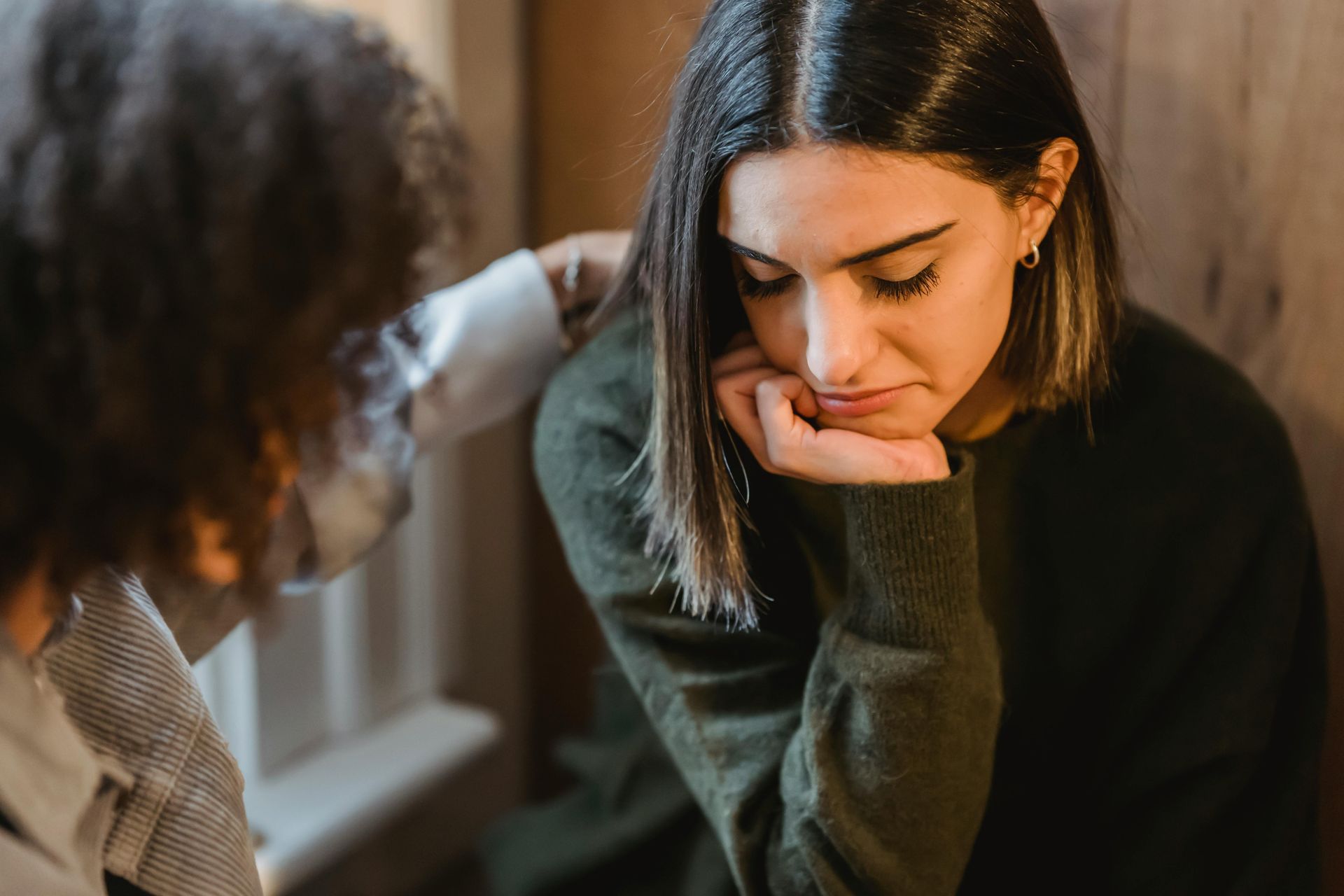
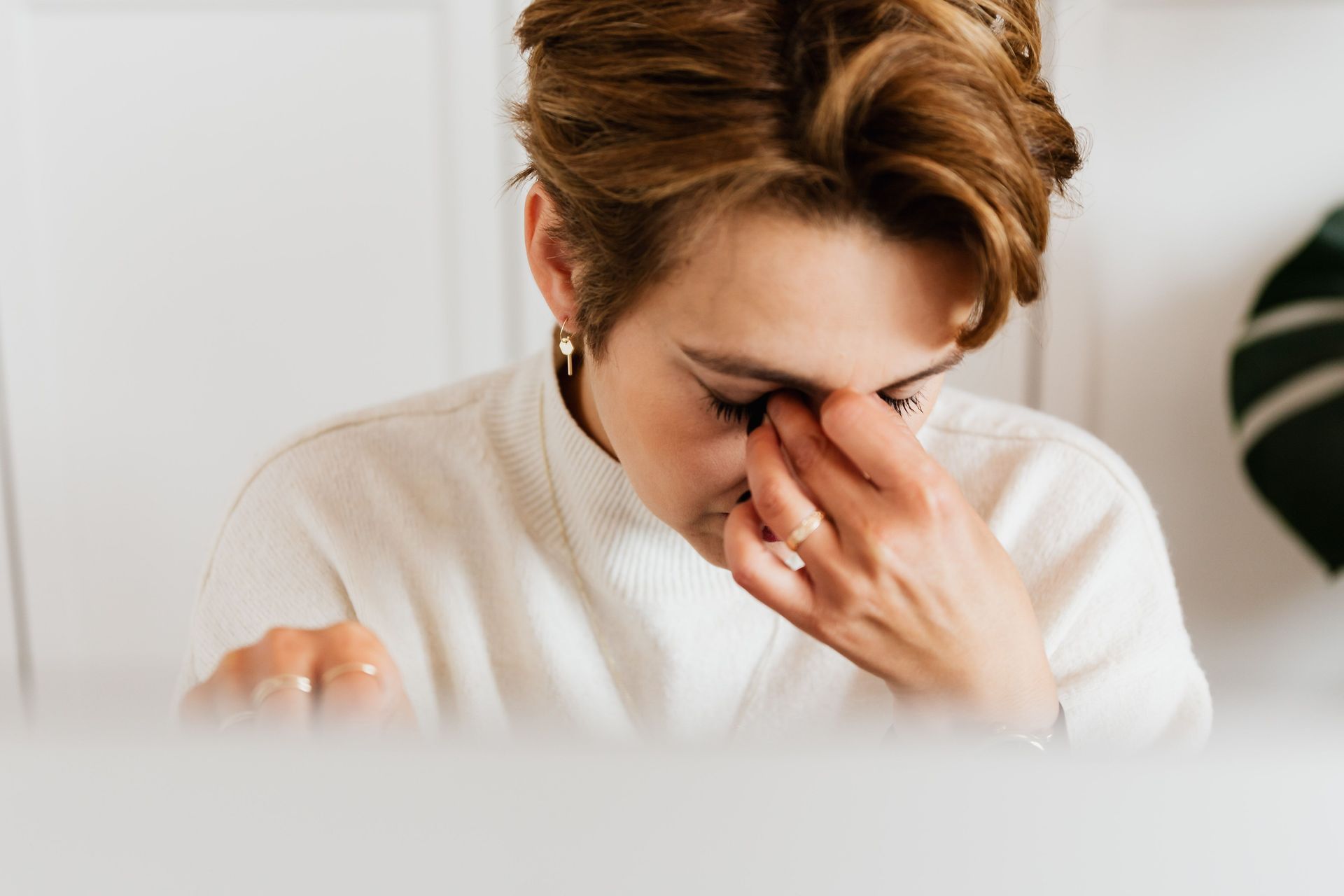
You don’t feel like yourself anymore.
For some time now, things don’t feel the same. Nothing excites you the way it used to. You move through your days on autopilot, tired, unmotivated, without much energy or desire.
You are there… but in a blurred version of yourself. You cry more than before. You feel disconnected from life, from your loved ones, even from yourself.
And even if you can’t fully explain it, there is a quiet, constant feeling that something is not right.
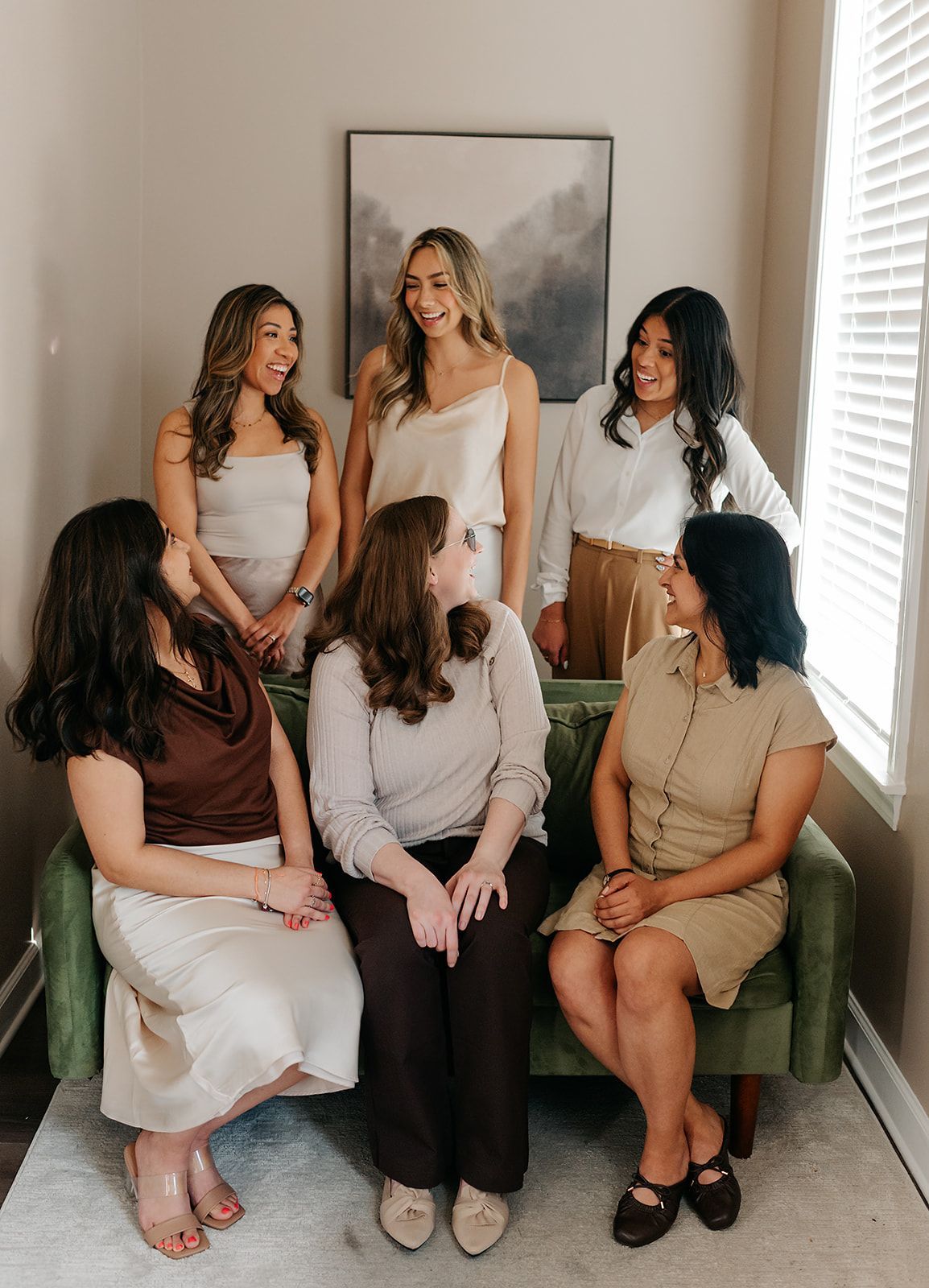
At Vida Collective Counseling, we meet many women in this exact space. As
therapists in Little Rock, AR, our work is centered on supporting women through experiences that are often minimized or carried alone, including postpartum depression. We are not the quick-fix kind of therapists, and chances are that is not what you are looking for either. Our approach to
therapy for women is rooted in curiosity, compassion, and connection, because healing feels different when it feels human.
You are not alone in this. It is far more common than you think. In this article, we will walk through the signs of depression in women, how they show up, and when it is important to pay attention.
How does depression look in women?
The signs of depression in women are not always obvious. Many times, they exist beneath routine and responsibility.
You might feel like you are getting everything done, but without really being present. As if your life keeps moving, but you are not fully inside of it.
There can also be a constant exhaustion that rest does not fix. You sleep, but you still feel tired. Your body slows down, but your mind feels distant or disconnected.
Some women experience increased irritability or emotional sensitivity. Others feel the opposite: a kind of numbness where emotions feel muted or distant.
Self-doubt is also common. You may feel like you are not doing enough, even when you are doing everything you can.
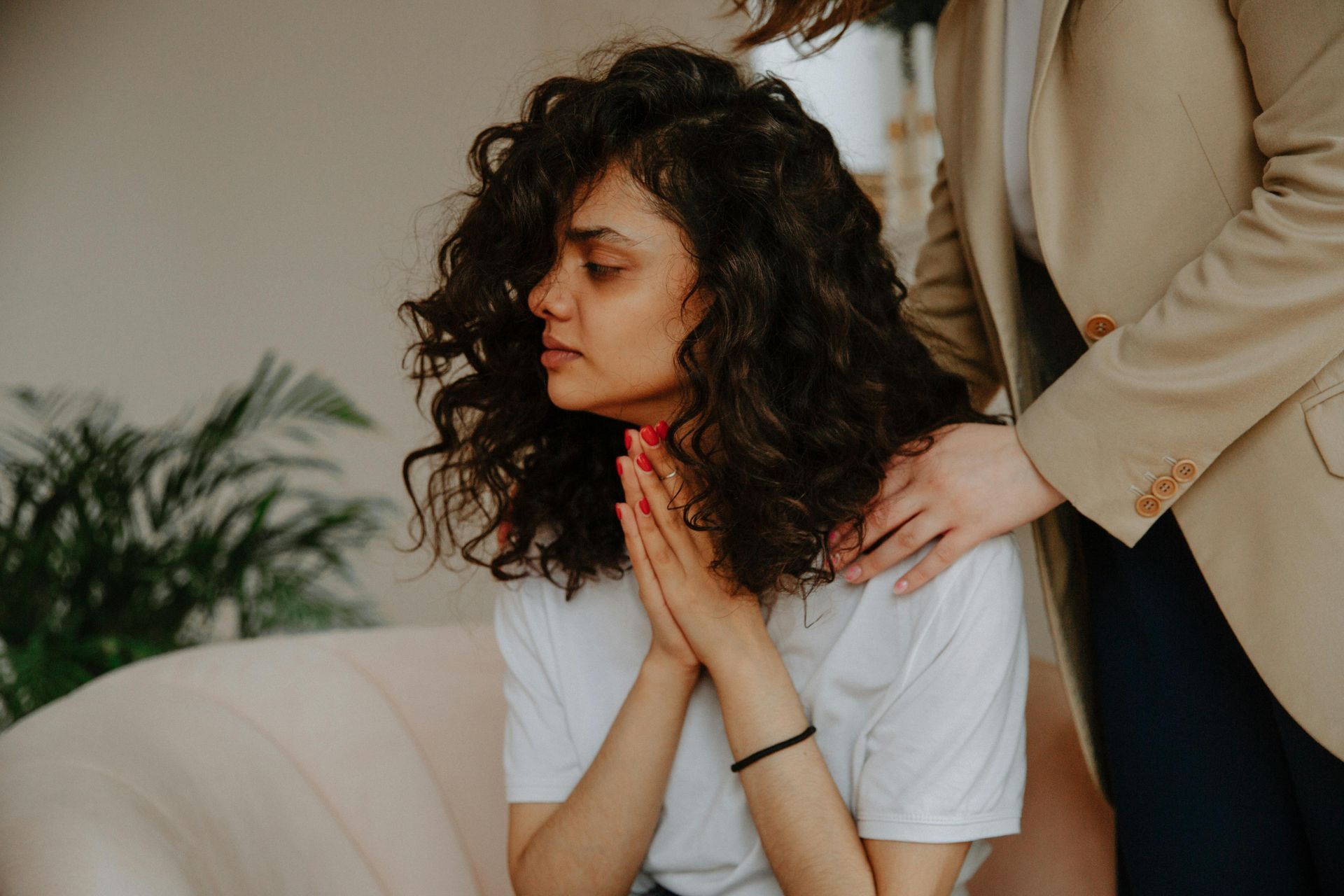
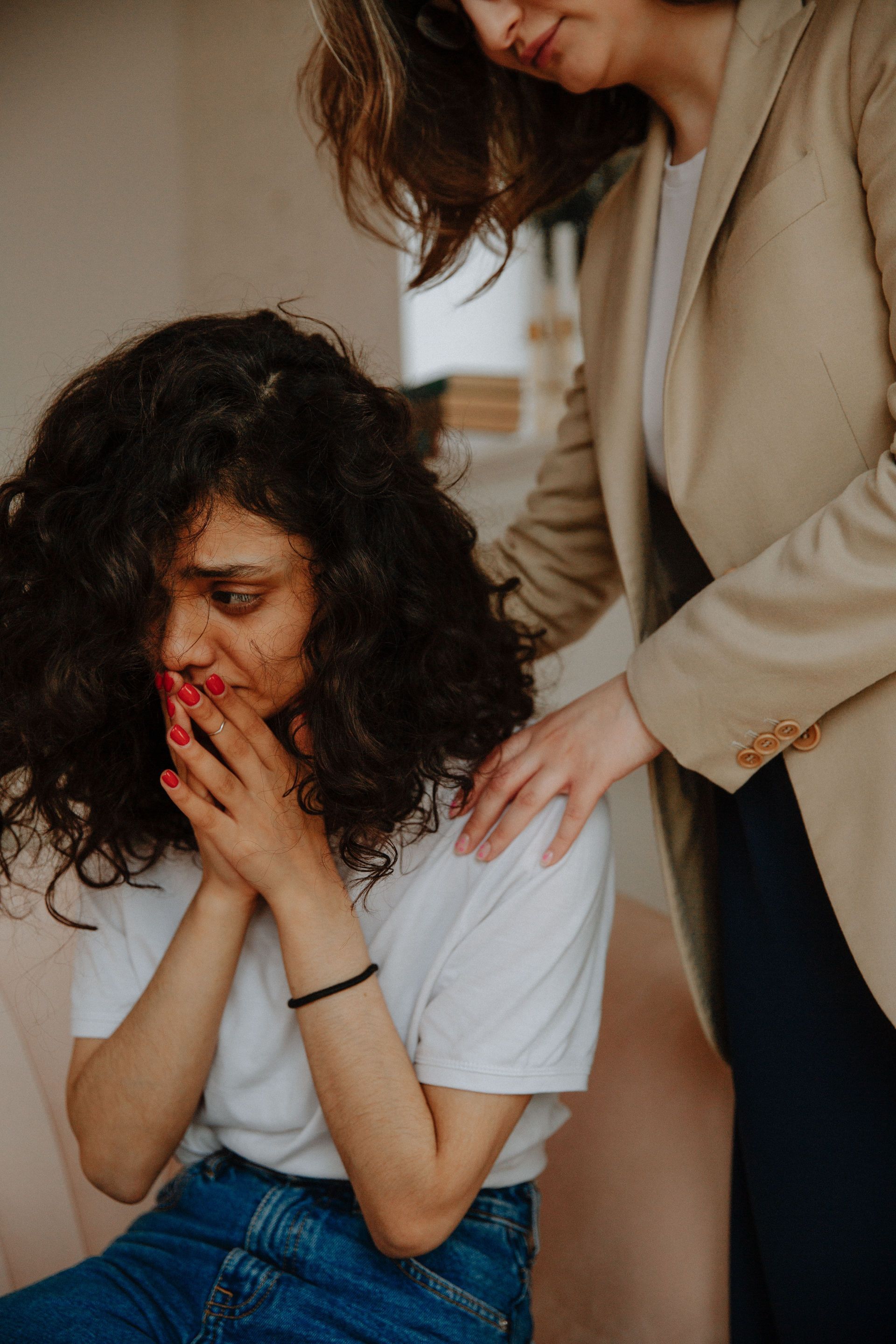
And often, the hardest part is this: feeling alone in what you are experiencing, even when you are surrounded by people.
These are not just personality traits. They are signals that something deeper may need your attention.
How do I know if it is depression or just stress?
Stress is usually tied to specific situations and can improve with rest. Depression tends to feel more constant and affects your emotions, thoughts, and daily functioning.
How long does depression last?
It varies. Without support, it can last for months or longer. With the right support, it can gradually improve.
What are the early signs of depression in women?
Early signs can include fatigue, emotional disconnection, irritability, low motivation, and a persistent sense that something feels off.
Common types of depression in women
Depression is not one single experience. It can take different forms, and understanding them can help you recognize what you are going through.
Major depression
This is the most widely recognized form. It includes persistent sadness, low energy, loss of interest, and difficulty functioning in daily life.
Persistent depressive disorder
This type is more subtle but long-lasting. It can feel like a constant emotional weight that stays in the background for months or even years.
Postpartum depression
This occurs after childbirth and can include emotional disconnection, exhaustion, and overwhelm that does not improve with time alone. It is important, but it is only one form of depression in women.
Seasonal depression
Some women notice their mood shifts with the seasons, especially during times with less sunlight. This can affect energy, sleep, and emotional stability.
Premenstrual dysphoric disorder (PMDD)
This is a more intense form of premenstrual mood changes, including depression, irritability, and emotional instability.
Each of these experiences is valid and deserves attention.